
Break Free from Amazon Ads Automation Myths
July 31, 2025 7 min read Sebastian Eduard

Is Software or Manual Amazon Ads Management better for your brand's stage? This article explores the critical choice between manual and automated Amazon ads management, highlighting pros, cons, and recommendations for each brand stage. Its purpose isn't to point you in any direction, but to clarify the pros and cons of each approach so you can make an informed decision.
Manual Management Advantages

1. Zoom-Out View
Manual management offers a comprehensive view beyond basic KPIs, incorporating all Amazon data points like competition, pricing, conversion rates, ranks, BSR, and trends.
2. Troubleshooting
Experts troubleshoot issues stemming from external factors, such as inventory drops or image changes, that software overlooks, enabling rapid solutions.
3. Brainstorming vs. Blunt Cuts & Pauses
Instead of bluntly pausing underperforming keywords, manual approaches brainstorm fixes, maintaining market share by adjusting to minimum viable bids that support organic rankings.
4. Real-Time Intelligence
From monitoring competitors, deals, and seasonal patterns allows preemptive actions, like raising bids ahead of traffic surges.
5. PPC to Brand Symbiosis
Manual decisions foster PPC-brand symbiosis, prioritizing long-term profit. For instance, higher ACoS on main keywords boosts organic sales, making them more profitable than low-ACoS ones that only look good in ad dashboards.
Software Automation Advantages

1. Cost Efficiency
It's cost-effective at around $400/month versus $2,000+ for manual services on average.
2. Volume Processing Capability
Software handles massive catalogs instantly, applying rules consistently without fatigue.
3. Speed Advantages
It excels in speed, best example is rapid search term negation.
4. Beginner Friendly
Embeds best practices that novices might miss.
5. Processing Power
AI analyzes vast data patterns humans could overlook, explaining its popularity.
Manual Management Limitations
1. Speed Constraints
Manual methods face speed constraints with large catalogs.
2. Cost and Time Investment
They're costly and time-intensive, diverting focus from business growth or requiring premium agency fees, best for high-revenue brands.
3. Human Error Risk
Human errors, like bid mistakes, pose risks, mitigated by monitoring layers.
4. Volume Scalability Issues
Scalability suffers with 1,000+ campaigns risking burnout for managers handling 25-50 products deeply.
5. Experience Dependency
Implementation quality dependent on expertise, and software often outperforms inexperienced managers.
Software Automation Limitations

1. The Creator Paradox
Software inherits creators' blind spots if they lack selling experience.
2. Lack of Customization
Limited customization forces generic formulas ignoring unique margins and goals.
3. Rigid Adjustments
Rigid adjustments like percentage bids disregard market context. Example: Competitor deals warranting bid reductions, not increases.
4. Formula-Based vs. Research-Based Optimization
Applies thresholds without research, such as avoiding bid wars with launching competitors.
5. Speed vs Performance Trade-off
While fast, it prioritizes speed over net profit, rarely accessing P&L data for holistic evaluation.
Conclusion & Recommendations
1. New Sellers or Brands Under $1M Annual Revenue
Educate yourself on Amazon Ads and start with quality automation software. A standard semi-automated setup performs well enough for now. Focus your time on product development, inventory management, and other growth drivers.
2. Experienced Sellers or Brands $1M+/Year
Implement full manual optimization for the most optimal PPC setup for your own brand's stage. More importantly aim it toward the ultimate goal of Net Profit. This is where a 7-figure brand can transform into an 8-figure business in the span of a few quarters.
3. Brands with High SKU Numbers
We recommend what we at Insiders call the Crown Jewel approach: Using bulk optimization or software for the bottom 80% of products bringing in 20% of revenue. For your top hero ASINs use Manual Management, as here the return justifies the efforts.
The Gap
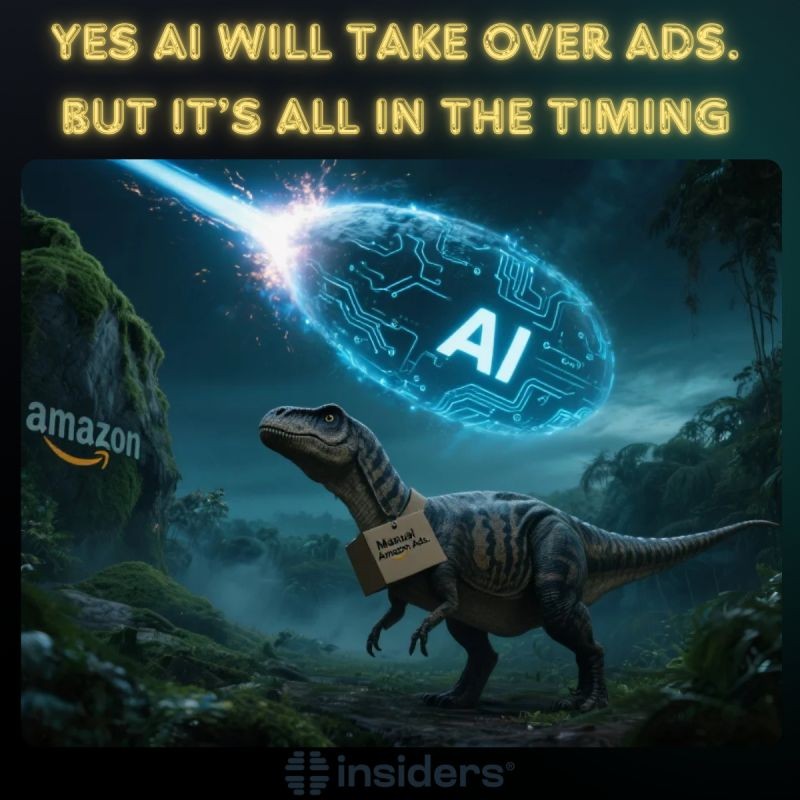
We're already in what we call "the gap." AI software accumulates data and slowly builds situational awareness through machine learning and reasoning. The gap between people like me with more than a decade in the market and software with automation is thinning daily.

Watch the Full Presentation

Sebastian Eduard
With over a decade of experience as an Amazon Seller and a consultant at heart, my mission through Insiders is to deliver outstanding Amazon PPC Management, built on the respect and transparency I once sought during my own seller journey. The 50+ brands that entrusted us with +$65M Ad Spend, received $280M in Ad Sales and +$585M Total Revenue.